
Lubricating Your Garage Door For Optimal Performance
Your garage door is an integral part of your home, adding aesthetic appeal and providing security and ease of access. Like any other mechanical equipment, it requires routine maintenance for optimal functionality. One such maintenance task is lubricating the moving parts of the door.
Applying lubricant to your garage door parts reduces friction, lessening the strain on the opener, reducing noise, and extending the door’s lifespan. It’s a task that homeowners often overlook. Yet, it can significantly impact the longevity and operation of your garage door.
In this blog, we’ll guide you through greasing your garage door. From what type of lubricant to use to the parts needing your attention, this easy-to-follow guide will help ensure that your garage door operates as smoothly and efficiently as possible.
Choosing the Right Lubricant
The first step in maintaining your garage door is to choose the proper lubricant. Not all greases are created equal, and using the wrong one could lead to more harm than good.
You’ll want to avoid heavy greases and oil-based lubricants as they can attract dirt and grime, causing a buildup that could negatively impact your door’s operation. Instead, opt for a high-quality silicone or lithium-based spray lubricant. These lubricants are specially formulated to penetrate the small crevices of the moving parts and don’t attract dust or grime.
Remember to steer clear of WD-40. Despite being a standard go-to product for squeaky hinges, WD-40 is a cleaner, not a lubricant. Its thin consistency means it won’t provide the necessary long-lasting lubrication your garage door needs.
Regular maintenance is Key
Lubricating your garage door is not a one-time task. It’s a part of regular maintenance that should ideally be done every six months. Regularly maintaining your door not only ensures smooth operation but can also help identify potential issues before they become significant problems.
Make it a habit to inspect your garage door for signs of wear or damage each time you lubricate it. This includes checking for any rust, loose screws, or frayed cables.
Remember that while regular maintenance can keep your garage door running smoothly, certain repairs should be left to the professionals. If you notice any significant issues during your maintenance checks, don’t hesitate to call in an expert
The Areas to Apply the Lubricant
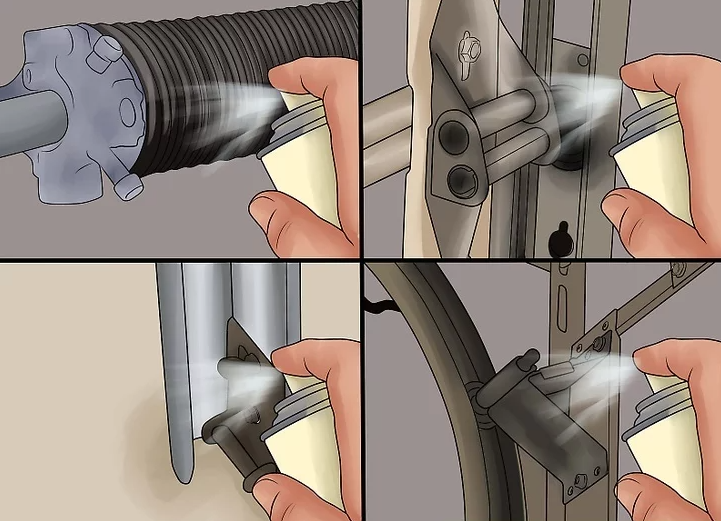
Once you’ve chosen the proper lubricant, you’ll need to know which parts of the garage door to apply. These parts typically include the rollers, hinges, tracks, and springs– essentially, any part that moves during the operation of the door.
Start with the rollers, making sure to adequately apply lubricant to each one. However, be cautious not to use too much grease as it can drip onto your garage floor and create a slipping hazard.
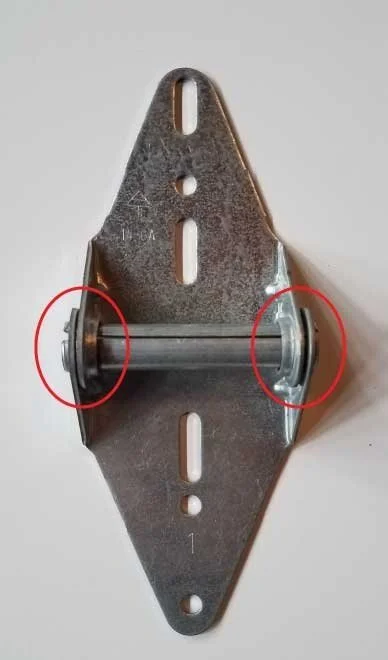
Next, turn your attention to the hinges and springs. For the hinges, focus on the pivot points where the most movement occurs. A light coating along the spring’s length will suffice for the springs.
Lastly, the tracks. While some may suggest greasing the tracks, it’s not necessary and could potentially lead to an accumulation of dirt. Instead, clean the tracks with a damp cloth to remove dust or grime.